


TMJ Specialists in Philadelphia
FREE CONSULTATIONS AVAILABLE
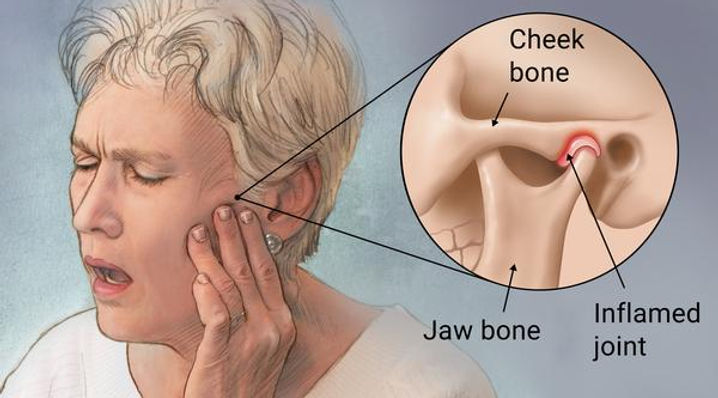
Do you need relief from Jaw Pain, Lockjaw or TMJ dysfunction? Our TMJ doctors deliver specialized treatment if you suffer from:
Radiating Jaw Pain
Limited Ability To Open Mouth
Jaw Pain Chewing & Opening Mouth
A Misaligned Bite or Jaw
Cracking or Popping Sounds in Jaw
REQUEST YOUR FREE CONSULTATION
to ask questions, learn our process, or schedule a bite evaluation! 😉


What is TMJ & TMD?
TMJ is the temporomandibular joint, or the jaw joint. These are the two joints located on each side of the face near the ears where lower jawbone joins the temporal bone of your skull. Together, these joints allow the mobility needed for biting, chewing, swallowing, speaking making facial expressions and even breathing.
TMD stands for temporomandibular joint dysfunction, or TMJ dysfunction. This refers to the group of conditions, often painful, affecting the jaw's joint and muscle performance.
SYMPTOMS OF TMD INCLUDE:
-
Clicking, popping sounds in the jaw joint
-
Being unable to open mouth comfortably
-
Jaw locking when trying to open mouth
-
Ringing in the ears or decreased hearing
-
A bite that feels uncomfortable or "off"
-
Dizziness and vision problems
-
Jaw / Neck pain or stiffness
-
Chronic headaches
-
Facial Pain
What Causes TMJ & TMD?
The uniformity of your bite, and teeth that support ligaments and muscles in your jaw play huge factors in TMJ disorders (TMD). While the exact causes are unknown, there are still some other factors that are believed to contribute to TMD -- these factors include:
-
Damage done to the joint by blows or other indirect impacts including strains, sprains and poor jaw posture.
-
Muscle hyperactivity or any conditions that prevent muscles, bones, and joints from working together. Examples include arthritis, connective tissue disorders, or skeletal malformation.
-
Increased stress, both physical and emotional, can cause TMD due to unconscious grinding or clenching of teeth.

How Do We Treat TMJ?
Comprehensive Evaluation
Our goal your first visit is to manage discomfort and alleviate symptoms asap. During initial evaluation our TMJ Specialists will thoroughly examine your oral health, specifically focusing on the jaw and surrounding areas. This can include a physical examination, review of your medical history, and the use of our advanced diagnostic tools to identify abnormalities that may be causing your symptoms.
Following our comprehensive evaluation, our TMJ Specialists will accurately diagnose whether or not you have a TMJ disorder - including the specific type and severity. The diagnosis is critical as it assures your treatment plan is tailored to your case specifically.
Treatment Options Can Include:
Orthotic Therapy - This treatment involves the use of a custom-made dental appliance that keep the jaw in a relaxed position. This prevents the nerves from over-firing which is often a cause for muscle spasms.
Disclusion Time Reduction - This procedure reduces the bite, and adjusts the contact between teeth in relation to muscle activity reducing muscle spasms.
Trigger Point Therapy - This procedure is commonly used to address muscle pain, tension and spasms with the use of mechanical needling and the use of a local anesthetic.
Ultrasound-Guided Injections - This procedure uses technology to provide a detailed map of the jaw so our dentist can inject the areas that need treatment with the best precision.
Ultrasound Therapy - This procedure delivers ultrasound waves to break up scar tissue and penetrate into the deeper muscle and tissue layers. The heat delivered to the affected area helps to restore proper blood flow.
TEXT our patient coordinator day or night at (855) 488-2383 or CALL (215) 724-6666 for questions, to discuss financial outcomes & options, or to schedule your consultation today!
Meet Our Doctors

Dr. Kamini Patel, DDS.
TMJ Dental Specialist serving Southwest Philadelphia and the Greater Philadelphia Area
Dr. Patel's fascination for dentistry surprises us everyday. Her passion to practice knows no bounds as she restlessly pushes her craft to the next level. She graduated with her Bachelor's of Dental Surgery in 1994 from the Ahmedabad Gujarat University (India) and is a certified General Dentist who specializes in treating TMJ and providing comfortable Sleep Apnea Solutions.
Kamini is dedicated to connecting with her patients and strives to create the space for questions and concerns during each visit. With over 20 years of experience practicing general dentistry between California & Pennsylvania, she has excelled in mastering specialized airway-focused treatments that evaluate the structure of the mouth, jaw, and face and it's affect on breathing, sleep quality, and overall health.

Dr. Ashalatha Kancharla, DDS.
TMJ Dental Specialist Serving Southwest Philadelphia and the Greater Philadelphia Area
Dr. Kancharla has over 20 years of experience serving the community as a dentist in Southwest Philadelphia.
She graduated with a DDS degree from the prestigious New York College of Dentistry and is a member of good standing in both the American Dental Association and Pennsylvania Dental Association.
Read Reviews From Our Wonderful Patients


